1781–1831 · 18th century
Immanuel Kant and G. W. F. Hegel: German Idealism's Challenge to Theology
Immanuel Kant (1724–1804) of Königsberg wrote the Critique of Pure Reason (1781), followed by his ethical writings (1785, 1788, 1797) and Religion within the Bounds of Bare Reason (1793). A later assessment sees his philosophy as the end of the rationalism of Cartesians, empiricists and deists.
Hegel (1770–1831) studied theology at Tübingen and taught in Berlin from 1818. He considered Christianity the "absolute religion." In a later assessment, Kant opened three paths for theology after him: ethics (Ritschl), feeling (Schleiermacher), and absolute reason (Hegel). Hegel's students at Tübingen included F. C. Baur and D. F. Strauss. Elements of his system were later taken up by Darwin and Marx.
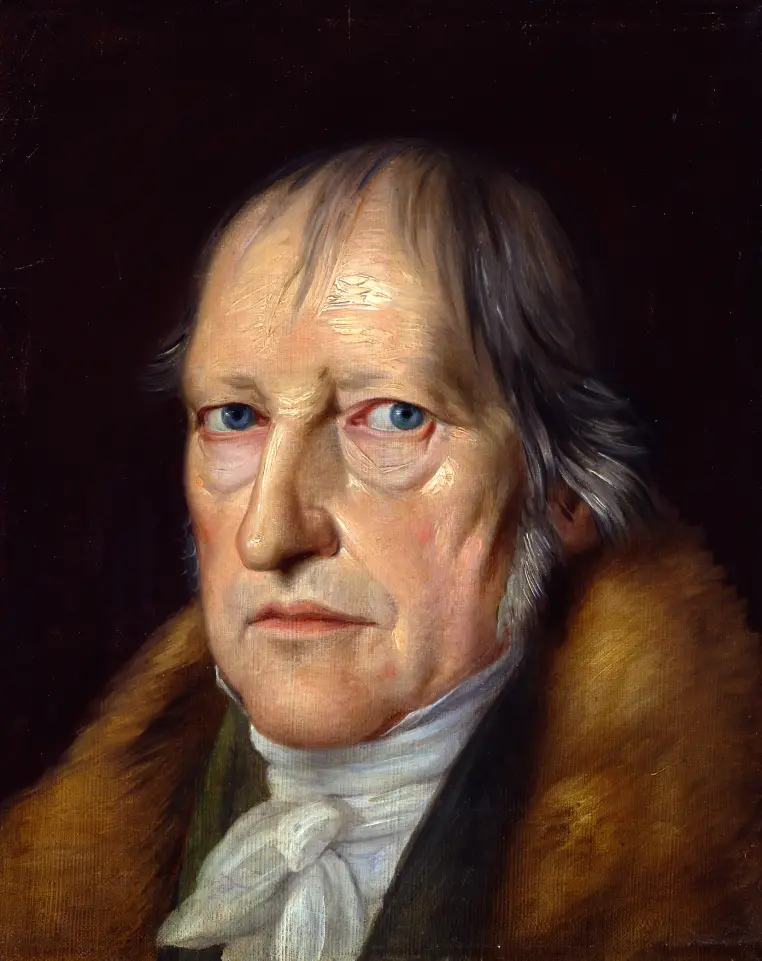
Key points
- Kant: the Critique of Pure Reason (1781) and the ethical writings (1785–1797)
- Religion within the Bounds of Bare Reason (1793)
- Hegel in Berlin from 1818; Christianity as the "absolute religion"
- Three post-Kantian paths for theology: ethics, feeling, absolute reason
People
- Immanuel Kant
- David Hume
- Georg Wilhelm Friedrich Hegel
- F. C. Baur
- D. F. Strauss
- Albrecht Ritschl
- Friedrich Schleiermacher
Place
Königsberg; Tübingen; Berlin
Sources disagree
One book dates the Critique of Pure Reason twice – 1781 and, apparently by error, 1791; the commonly accepted 1781 is used.
Sources
- Stanley Grenz, Roger Olson – 20th-Century Theology: God and the World in a Transitional Age (Russian edition), p. 15, 29–37
- Justo L. González – The Story of Christianity, vol. II (Russian edition), Part 2, ch. 21; Part 3, ch. 28
- Justo L. González – A History of Christian Thought, vol. III: From the Protestant Reformation to the Twentieth Century (Abingdon, rev. ed. 1987), p. 347–353, 355, 369–372
- Justo L. González – A History of Christian Thought in One Volume (Abingdon, 2014), p. 385–388
- Louis Berkhof – History of Christian Doctrines (Russian edition), p. 82–83, 115–116
More on the doctrine
- Kant: The Critique of Pure Reason, the Limits of Knowledge and the Religion of Practical Reason (1781–1788)
- Hegel: Spirit, Dialectic and Christianity as the Absolute Religion (1770–1831 (Hegel's lifespan))
Data compiled: 2026-11-09