249–251 · 3rd century
The persecution of Emperor Decius
Decius was proclaimed emperor by the army in 248 and overthrew Philip the Arab in 249. He sought to restore the empire's unity and glory through a return to the old religion.
On 3 January 250, Decius sacrificed to Jupiter himself. He then ordered the whole empire to do the same and to obtain a written certificate (libellus) of sacrifice. Refusal was punished by torture and death.
This was the first planned, empire-wide persecution. Its goal was not to create martyrs but mass apostasy. For this reason, those who held out were kept in prison and tortured for long periods.
Bishops of Rome (Fabian), Antioch (Babylas) and other cities died. Origen was tortured and soon died of his wounds. Cyprian of Carthage went into hiding and directed his flock by letters.
The persecution ended with Decius' death in battle against the Goths in 251. It left the Church with the difficult question of the fate of the "lapsed."
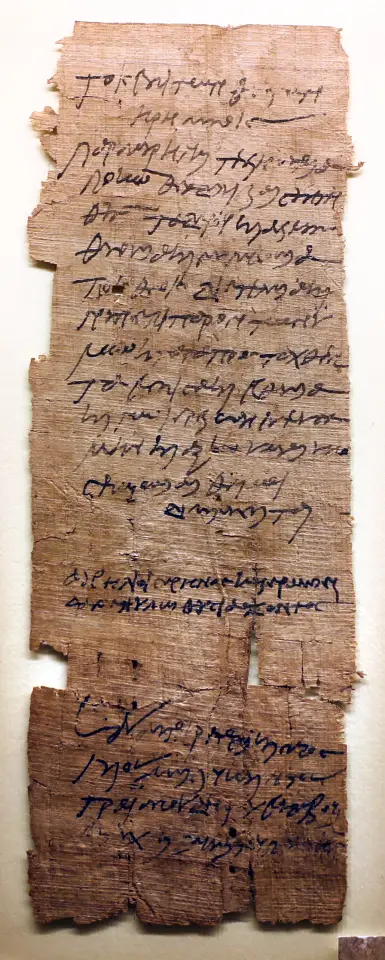
Key points
- The edict of 3 January 250: universal sacrifice and a written certificate (libellus)
- The first planned, empire-wide persecution
- The goal was mass apostasy rather than creating martyrs: torture rather than immediate execution
- Deaths of bishops Fabian of Rome and Babylas of Antioch; Origen tortured
- The persecution ended with Decius' death in 251; the question of the "lapsed" was raised
- Shelley: Decius made the imperial cult mandatory for all but Jews: each citizen offered incense, said ‘Caesar is Lord’ and received a certificate. It was first of all a test of political loyalty; whoever refused was branded a traitor. Christians prayed for the ruler at assemblies but neither alone nor publicly; 3rd-century coins praised the emperor as Christians praised Christ. Decius demanded sacrifice to Roman gods, certified by libelli; many lapsed, the steadfast became confessors; he died in 251.
People
- Decius
- Philip the Arab
- Fabian of Rome
- Babylas of Antioch
- Origen
- Cyprian of Carthage
Place
The Roman Empire
Sources
- Stuart G. Hall – Doctrine and Practice in the Early Church (Russian edition), p. 57–58, 76
- Tony Lane – Christian Thinkers (Russian edition), p. 26, 31
- Justo L. González – The Story of Christianity, vol. I (Russian edition), sec. «Гонения при Деции»
- Justo L. González – A History of Christian Thought in One Volume (Abingdon, 2014), p. 87, 104
- J. North – A History of the Church (Russian edition), p. 48–49
- Bruce L. Shelley – Church History in Plain Language (Russian edition), Ch. 4, sec. «Цезарь есть Господь»; Ch. 7, sec. «Так что же с непростительным грехом?»
Data compiled: 2026-11-09