111–117 · 2nd century
The correspondence of Pliny the Younger with Trajan concerning the Christians
Appointed governor of Bithynia, Pliny the Younger found many Christians there. He executed those who persisted. But finding no crimes behind them, he asked Emperor Trajan for guidance.
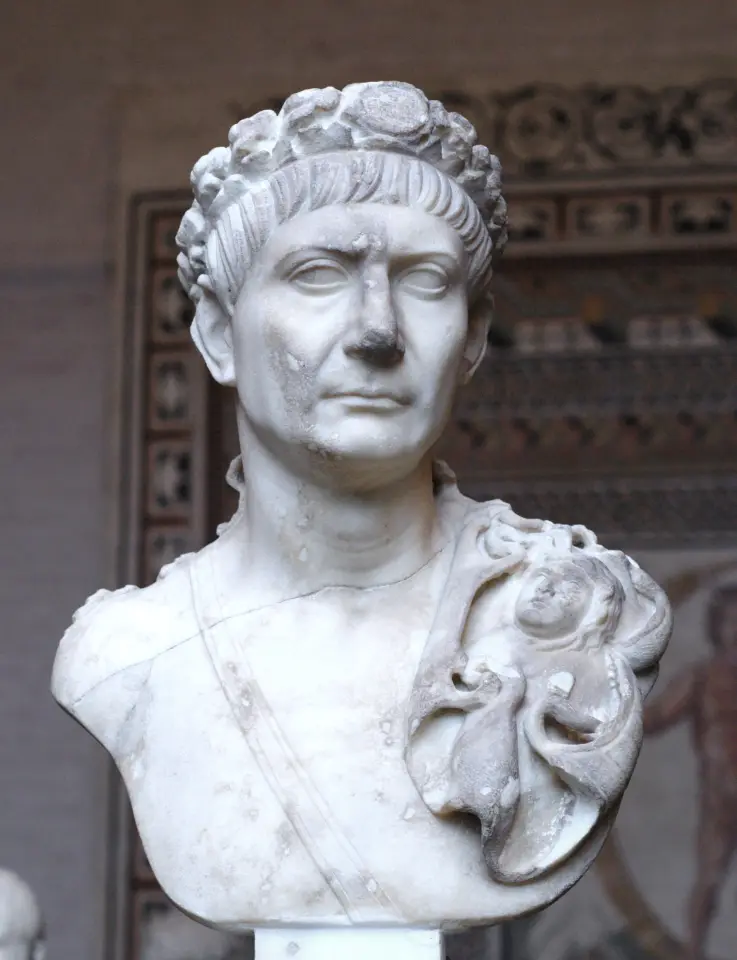
Trajan replied that Christians should not be specifically sought out and that anonymous accusations should not be accepted. But upon a proven charge and refusal to recant, they should be punished.
This policy of "half-repression" defined the empire's stance toward Christians for most of the 2nd century. It was later confirmed by Hadrian. Tertullian later denounced the internal contradiction of this rule: punishing for the name alone while not seeking out the guilty.
Key points
- Christians not to be sought out, but punished on a proven charge and refusal to recant
- Anonymous accusations not to be accepted
- Test: sacrifice to the gods, incense to the emperor, cursing Christ
- The same policy later confirmed by Hadrian (rescript to Minucius Fundanus)
- Tertullian later pointed out the contradiction in this rule
- Shelley: in the early 2nd century Bithynia became a centre of rapid Christian growth; in 112 Pliny wrote Trajan of “many people of every age, rank and sex” and feared pagan altars would be abandoned – this may be the first mass movement in Christian history. In backward areas keeping native languages the gospel met more resistance; as late as the 6th century Justinian fought paganism inland in Asia Minor. A person who renounced Christ and sacrificed to the gods or the emperor was released even if known to be a Christian. Trajan approved Pliny’s policy – too many Christians for persecution; but courts remained: a Christian was a criminal by name. Pliny feels Christians are guilty of something but not what – it is neither debauchery nor cannibalism. The letters explain why persecutions were now occasional and brief, now bloody, now died down and flared up again
People
- Pliny the Younger
- Trajan
- Hadrian
- Tertullian
Place
Bithynia
Sources disagree
Pliny was appointed governor in 111; the correspondence is dated to 111–112.
Sources
- Justo L. González – A History of Christian Thought in One Volume (Abingdon, 2014), p. 41–42
- Justo L. González – The Story of Christianity, vol. I (Russian edition), sec. «Переписка Плиния с Траяном»
- J. North – A History of the Church (Russian edition), p. 30–31
- Stuart G. Hall – Doctrine and Practice in the Early Church (Russian edition), p. 12–13
- Bruce L. Shelley – Church History in Plain Language (Russian edition), Ch. 3, sec. «Движение на запад»; Ch. 4, sec. «Секс и клевета»
Data compiled: 2026-11-09