c. 30 AD (the day of Pentecost) · 1st century
Pentecost – the birth of the church in Jerusalem and the structure of the apostolic community
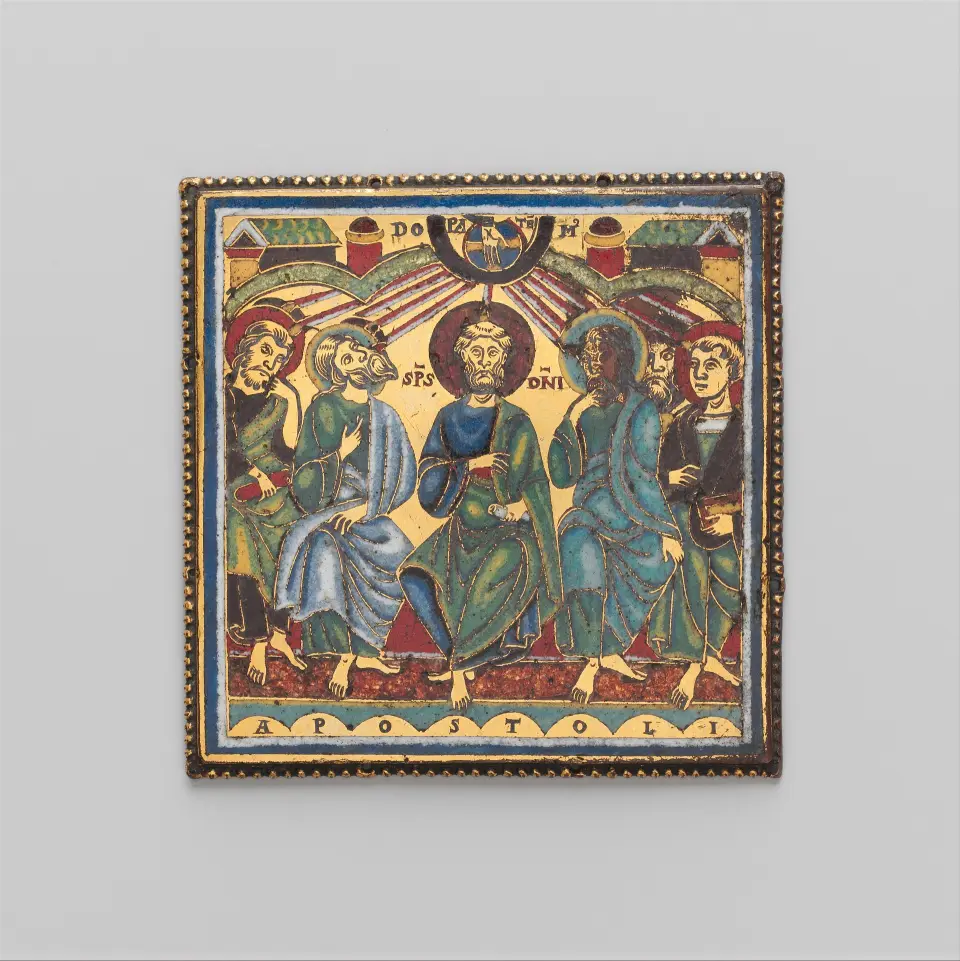
The Holy Spirit descended on the apostles, and they began to speak in other tongues. Peter preached to the pilgrims gathered in Jerusalem. He declared that Jesus, crucified by the Jews, had been raised and made Lord and Christ. He called on them to repent and be baptized for the forgiveness of sins.
About three thousand people believed and were baptized. Their number soon grew to five thousand. Most historians date the history of the church from this very event.
In the following decades of the first century the apostolic church developed general and local ministries. The general ministries were apostles, prophets, teachers and evangelists, who had no successors after the first century. The local ministries were deacons and presbyter-bishops. The first deacons were the seven chosen in Acts 6. In the New Testament, presbyters and bishops denoted one and the same group of people.
Baptism was performed by immersion on conscious believers. The Lord's Supper was celebrated weekly. Meetings were held in homes with the singing of psalms.
Key points
- Peter's sermon: Jesus, crucified by the Jews, has been raised and made Lord and Christ
- About 3,000 converts, soon growing to 5,000
- The general ministries (apostles, prophets, teachers, evangelists) had no successors after the first century
- The first seven deacons were chosen in Acts 6; presbyters and bishops in the New Testament denote the same group
- Baptism by immersion; the weekly Lord's Supper; meetings held in homes
- Shelley: the apostles first called their movement ‘the Way’, and the Jerusalem community soon took ‘ekklesia’ (‘church’), the term for Israel’s assembly. Unity rested on two rites: ‘eschatological’ baptism – entry into the already proclaimed kingdom – and the Eucharist, which, looking back to Jesus’ betrayal and death, renewed Jeremiah’s new covenant through a shared cup and consecrated bread.
People
- Peter
Place
Jerusalem
Sources disagree
Neither book gives an exact year; the date is conventional, based on the context of the beginning of church history.
Sources
- J. North – A History of the Church (Russian edition), p. 11–12, 16–24
- Bruce L. Shelley – Church History in Plain Language (Russian edition), Ch. 2, sec. «Первая община»
Data compiled: 2026-11-09