936–973 · 10th century
Otto I and the Church Policy of the Holy Roman Empire
Carolingian power had collapsed, and Northmen, Saracens and Magyars carried out devastating raids. Against this background the German king Otto I relied on bishops and archbishops as an administrative counterweight to unruly nobles. He granted them lands in exchange for loyalty (ecclesiastical investiture). Clerical celibacy ruled out hereditary claims to these holdings.
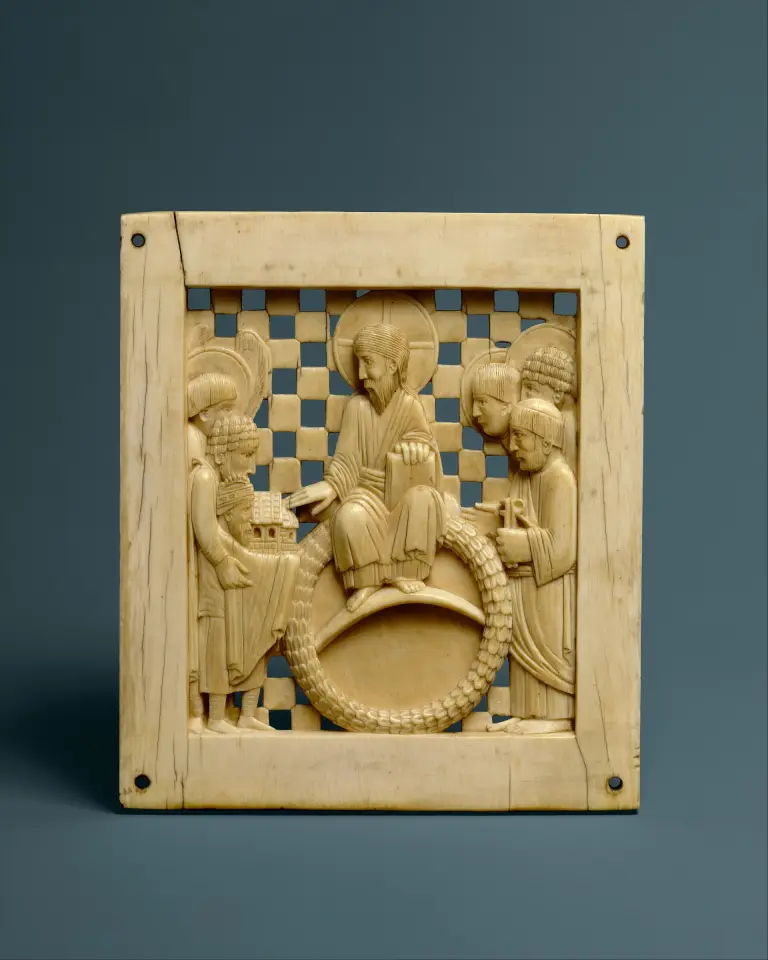
In 962 Pope John XII crowned Otto emperor, founding the Holy Roman Empire of the German nation. But Otto soon came to control papal elections in practice. This brought the Church not peace but frequent rivalry among several claimants to the see of Peter.
Key points
- The use of bishops as an administrative class barred from hereditary claims
- The development of ecclesiastical investiture
- Otto's coronation by Pope John XII (962)
- Imperial control over papal elections after 964
- Shelley: unity returned to the West when Otto the Great revived the Holy Roman Empire, calling himself successor of Augustus, Constantine and Charlemagne, though his power in fact was limited to Germany and Italy. At first popes sought the German king’s protection from feudal lords, but German kings interfered in church affairs and papal elections: with the empire’s revival the old rivalry of Church and state resumed. All through the 11th century they fought over investiture: in theory a bishop took spiritual authority from the Church, civil from the king, but in practice lords and kings both appointed and installed clergy; most clearly in Germany: “in essence, the German Church was a state church”
People
- Otto I
- John XII
Place
Germany; Rome
Sources
- J. North – A History of the Church (Russian edition), p. 146–150
- Justo L. González – A History of Christian Thought in One Volume (Abingdon, 2014), p. 213
- Bruce L. Shelley – Church History in Plain Language (Russian edition), Ch. 18, sec. «Упадок в феодализм»
Data compiled: 2026-11-09