2nd–3rd centuries · 2nd century
Truth among the Pagans: The Seminal Logos, Natural Law and Philosophy as Tutor
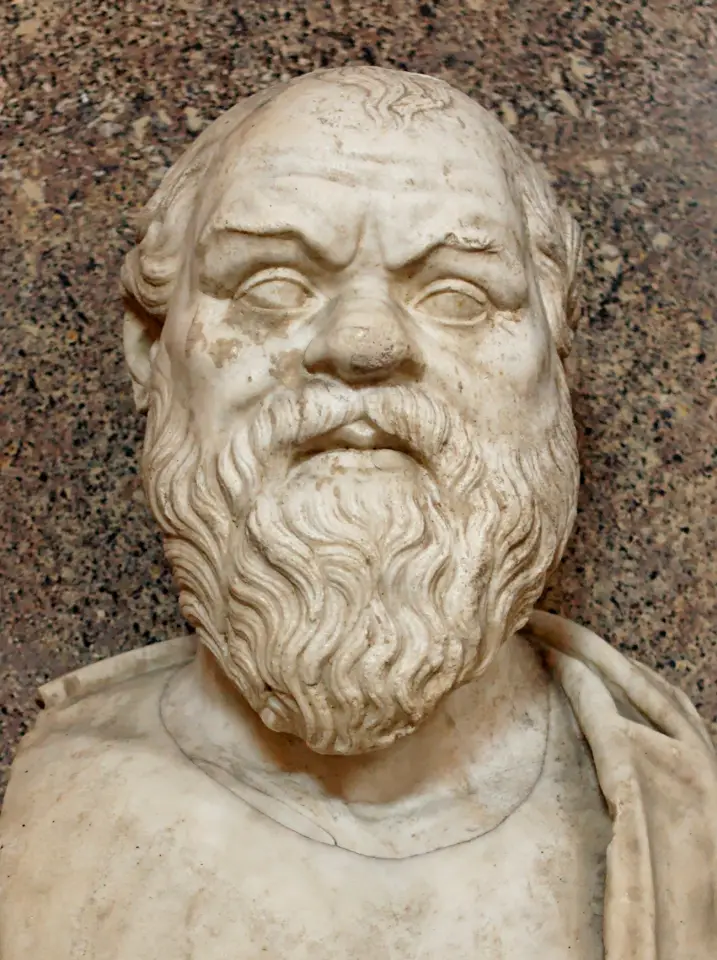
The apologists had to explain where the truth and goodness found in paganism came from. Justin connected it with the eternal Logos: the "seed of reason" (Apology 2.8, 2.10) enabled Socrates and others to glimpse dimly what was clearly revealed in Jesus. Tertullian used the idea of a natural law known to all nations, while the most widespread explanation, according to Pelikan, was that the philosophers had borrowed the truth from Moses and the prophets. Clement of Alexandria held that philosophy prepared the Greeks for Christ as the Law prepared the Jews (Stromata 1.5).
Positions
- Justin, Origen, Theophilus
- Plato and the poets borrowed from Moses and the prophets (Justin, Apology 1.44, 1.59–60)
- Clement of Alexandria
- Philosophy is the tutor of the Greeks (Stromata 1.5); the truth in it comes by providential economy, general revelation, as a reflection of eternal truth; Col. 2:8 refers only to bad philosophy (1.11)
- Tertullian (according to Lane)
- Philosophy is the parent of heresy
- Augustine
- Abandoned the historical-chronological version of borrowing but considered Platonic cosmology explicable only by acquaintance with the Bible
Key points
- According to Justin, "even Socrates knew Christ in part" (Apology 2.10)
- Origen used the Stoic distinction between the law of nature and the written law of the city to justify Christians' refusal to obey idolatrous laws
- Pelikan: many ideas were attributed to the Old Testament rather than actually found in it; the result – Christianity acknowledges that neither it nor Judaism holds a monopoly on moral and doctrinal insight
Outcome
The thesis of the biblical origin of philosophical truth became a standard element of apologetics, and the idea of natural law entered Christian reflection on paganism.
People
- Justin Martyr
- Clement of Alexandria
- Tertullian
- Origen
- Theophilus of Antioch
- Augustine
- Socrates
Terms
- seminal Logos – λόγος σπερματικός
- A Stoic concept; in Justin, the portion of the Word given to people, the seed of reason that gives a partial knowledge of the truth whose fullness is revealed in Christ.
- natural law
- An unwritten law known to all nations – the basis of universal morality; for Thomas Aquinas, the participation of rational creatures in the eternal law, supplemented by divine law.
Sources disagree
Pelikan dates the development by centuries (2nd–3rd; for the borrowing thesis, 2nd–4th); Lane: Clement – c. 190 to before 216.
Sources
Primary sources
- Justin Martyr – First and Second Apology, bk. I, ch. 44, 59–60; bk. II, ch. 8, 10
- Clement of Alexandria – The Stromata, bk. I, ch. 5, 11
Textbooks
- Jaroslav Pelikan – The Christian Tradition: A History of the Development of Doctrine, vol. 1 (Russian edition), p. 39–42
- Tony Lane – Christian Thinkers (Russian edition), p. 25
In church history
- Justin Martyr – apologist and teacher of the Logos (early 2nd c. – 165)
Data compiled: 2026-11-17