20th – early 21st century · 19th century
Pentecostalism and the Renewed Interest in the Doctrine of the Holy Spirit
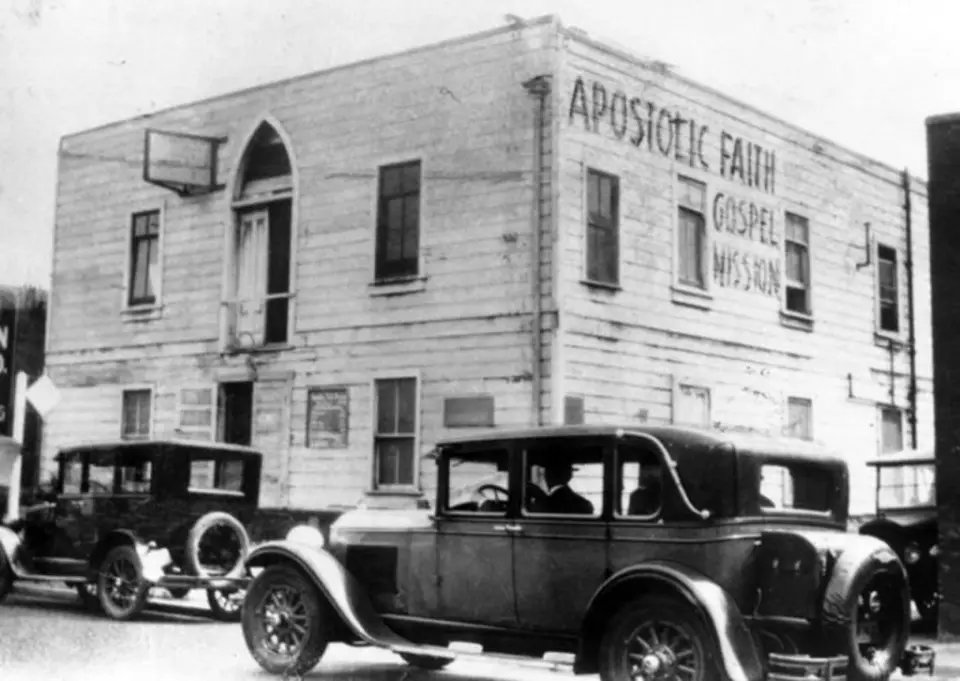
In his concluding survey González calls Pentecostalism one of the significant events of the 20th century: it almost became a new confessional family but influences all confessions and has renewed attention to the doctrine of the Holy Spirit and eschatology. At the same time the scope of theology widened geographically, confessionally and sociologically: by the early 21st century it was no longer a North Atlantic enterprise, and the younger churches ask whether their cultures can be a praeparatio evangelica, as Greek culture was for the ancient fathers. Pentecostalism and the theologies of liberation coincide in their emphasis on hope.
Key points
- Theology is now done, more than at any time since the 4th century, from a position of political weakness in a secular state
- Attention to social justice and to the voices of Black people, women and Latin Americans broadened theology sociologically
- González: the theology of the near future will probably be concerned with eschatology, the doctrine of the Holy Spirit and their interrelation
Outcome
Pentecostalism, which influences all confessions, renewed attention to the doctrine of the Holy Spirit, and theology widened geographically, confessionally and sociologically.
Terms
- preparation for the Gospel – praeparatio evangelica
- The ancient fathers' view of Greek culture, which the younger churches apply to their own cultures.
Sources disagree
González does not date the development; the 20th – early 21st century is used.
Sources
- Justo L. González – A History of Christian Thought in One Volume (Abingdon, 2014), p. 428–430
In church history
- The Azusa Street revival and the rise of Pentecostalism (c. 1900–1914)
Data compiled: 2026-11-17