c. 36 AD · 1st century
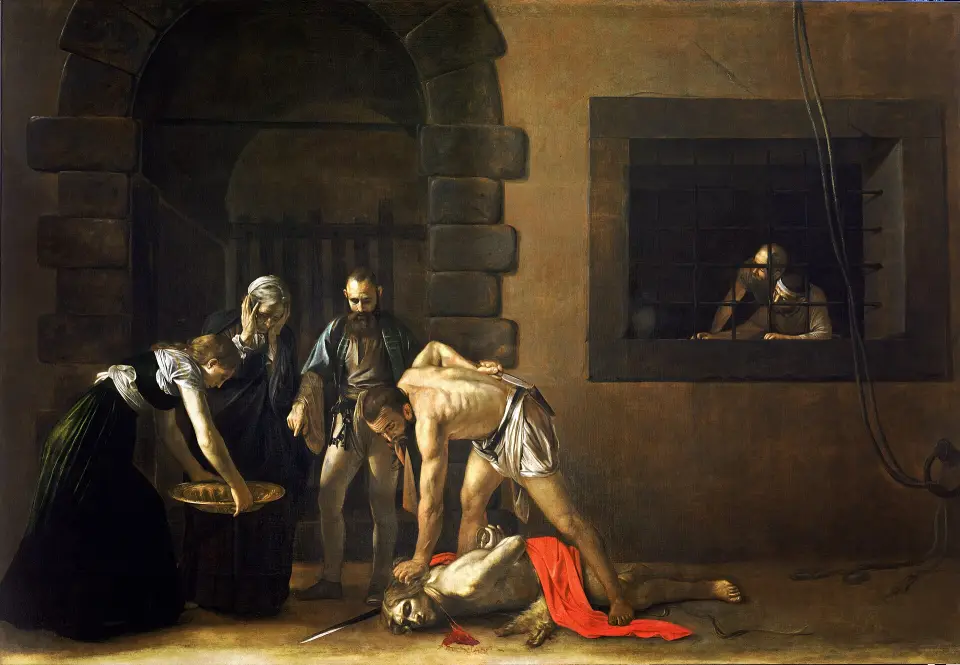
The execution of John the Baptist by Herod Antipas
Josephus recounts that the tetrarch Herod Antipas seized and executed John. He calls John a righteous man who taught the Jews virtue and justice. John also taught the washing of the body for consecration rather than for the remission of sins.
Herod feared that John's enormous influence over the people might lead to unrest. So he had him executed at the fortress of Machaerus. Herod later suffered a military defeat by the Arab king Aretas. Many Jews regarded it as just divine punishment for this execution.
Key points
- John called for virtue, justice and a purifying washing
- Herod Antipas feared John's influence over the masses
- John was seized and executed at the fortress of Machaerus
- The people linked Herod Antipas's military defeat to this execution
People
- John the Baptist
- Herod Antipas
- Aretas
Place
the fortress of Machaerus
Sources disagree
The dating is approximate: the event is presented as the cause of Herod Antipas's war with Aretas, dated to roughly this time under Tiberius.
Sources
Primary sources
- Flavius Josephus – Jewish Antiquities; The Jewish War (Russian edition), Antiquities, bk. XVIII, ch. 5
Data compiled: 2026-11-09