April 1518 · 16th century
The Heidelberg Disputation
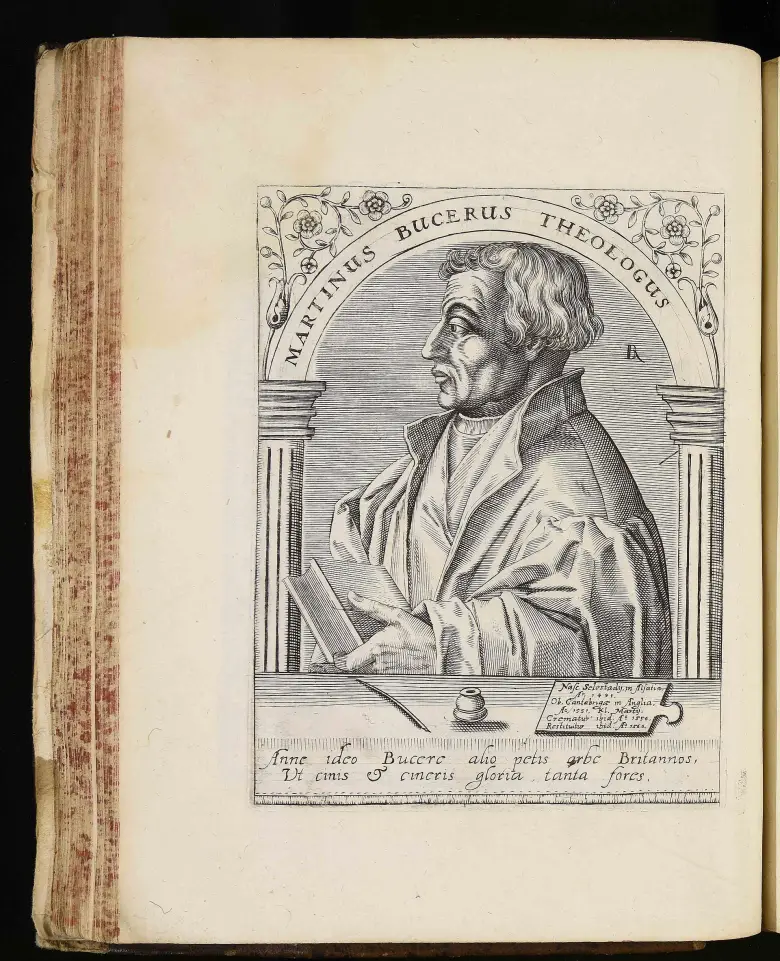
At a general chapter of the Augustinian order in Heidelberg in April 1518, instead of the expected condemnation, Luther set out his anti-scholastic theses, setting the "theology of the cross" against the "theology of glory". He won young supporters, including Martin Bucer.
Meanwhile, in October–November 1518, Luther appeared in Augsburg before the papal legate Cardinal Cajetan. The legate demanded unconditional recantation. On learning of a threat of arrest, Luther secretly fled the city.
Key points
- Luther's presentation at the Augustinian chapter in Heidelberg (April 1518)
- The conversion of Martin Bucer
- Luther's interrogation by Cardinal Cajetan in Augsburg
- Frederick the Wise gave Luther a safe-conduct
- Hazlett: the Dominican Bucer, studying at Heidelberg and keen on Erasmian humanism, heard Luther at the 1518 Disputation and underwent a religious sea-change: he saw Luther as giving a cutting edge to what Erasmus advocated. Fearing the inquisitor Hoogstraten, Bucer fled the monastery in early 1521 and was released from his vows near the Diet of Worms
People
- Martin Luther
- Martin Bucer
- Cajetan
- Frederick the Wise
- Philip Melanchthon
Place
Heidelberg; Augsburg
Sources
- Tony Lane – Christian Thinkers (Russian edition), p. 175
- Alister McGrath – Reformation Thought (Russian edition: «Theological Thought of the Reformation»), p. 95, 377
- Justo L. González – A History of Christian Thought, vol. III: From the Protestant Reformation to the Twentieth Century (Abingdon, rev. ed. 1987), p. 38, 41–47, 107–108
- Justo L. González – The Story of Christianity, vol. II (Russian edition), Part 1, ch. 2
- The Cambridge Companion to Reformation Theology, ed. David Bagchi, David C. Steinmetz (2004), p. 111, 115
More on the doctrine
- Luther: The Theology of the Cross against the Theology of Glory and the Break with Scholasticism (1518)
Data compiled: 2026-11-09