April 30, 311 · 4th century
The Edict of Galerius on Toleration
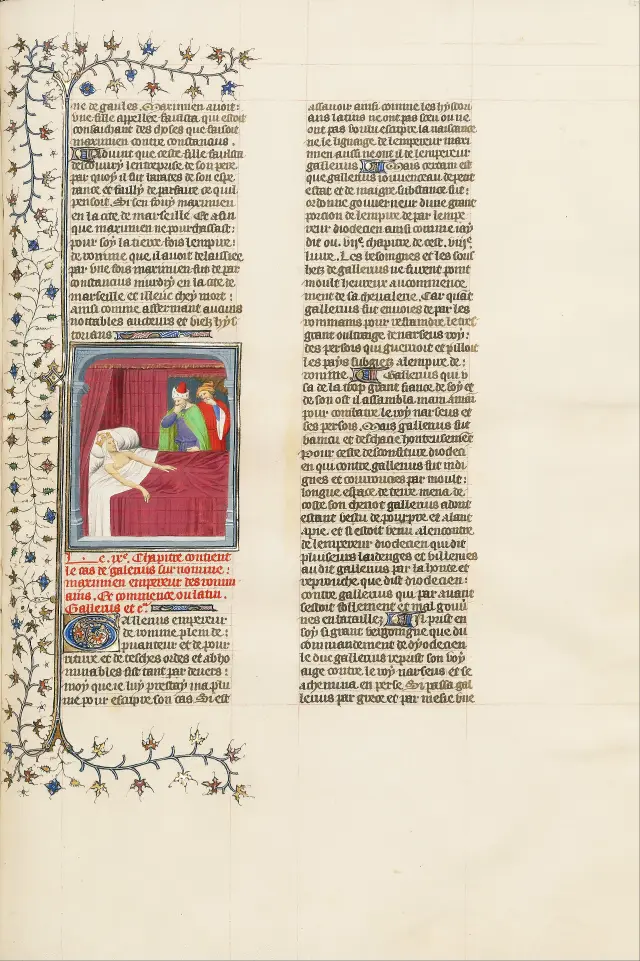
The mortally ill Galerius, the instigator of the Great Persecution, issued an edict a few days before his death. It permitted Christians to remain Christians and build meeting houses, provided they prayed for the well-being of the emperor and the state.
The edict ended the official persecution in the empire, and many confessors were released from prison. One book considers it even more significant than the Edict of Milan. Maximinus Daia, however, tried to resume persecution in the territories under his control.
Key points
- Issued by the instigator of the persecution shortly before his death
- Permission to rebuild churches
- Possible influence of Christians' words about divine punishment (per Lactantius)
- Maximinus Daia tried to resume the persecution
- Shelley: in 311 on his deathbed Galerius saw the persecution had failed: other thousands stood firm, and “blood became a seal” on their faith; public opinion no longer allowed the throne to take the risk, and Galerius reluctantly issued the edict of toleration
People
- Galerius
- Lactantius
- Maximinus Daia
Place
Nicomedia (the eastern empire)
Sources
- Justo L. González – The Story of Christianity, vol. I (Russian edition), Ch. 6 «Великие гонения и конечная победа»
- J. North – A History of the Church (Russian edition), p. 59
- Bruce L. Shelley – Church History in Plain Language (Russian edition), Ch. 9, sec. «Христиан – в огонь!»
Data compiled: 2026-11-09