1961–1969 · 20th century
"Death of God" theology and radical secular theology of the 1960s
In the 1960s neo-orthodoxy was challenged by younger theologians. They sought a new immanence of God in secular culture and drew inspiration from Bonhoeffer's legacy. William Hamilton in "The New Essence of Christianity" (1961) was the first to speak of the "death of God."
Bishop John Robinson wrote the decade's most popular theological book, "Honest to God" (1963). Combining ideas from Tillich, Bultmann, and Bonhoeffer, he rejected the image of a God "up there" in favor of God as the "depth of being."
In October 1965 the cover story "Is God Dead?" in Time magazine turned the idea into a broad cultural phenomenon. In 1966 Thomas Altizer published the manifesto "The Gospel of Christian Atheism." He interpreted the death of God as a kenotic "self-emptying" of God in Christ. That same year, 1965, Harvey Cox's bestseller "The Secular City" appeared. It presented secularization as God's own doing and the church as the vanguard of building the secular city.
By the decade's end the movement had faded under criticism from Peter Berger and Langdon Gilkey. They exposed the incoherence of "Christian atheism" and opened the way to the theology of hope.
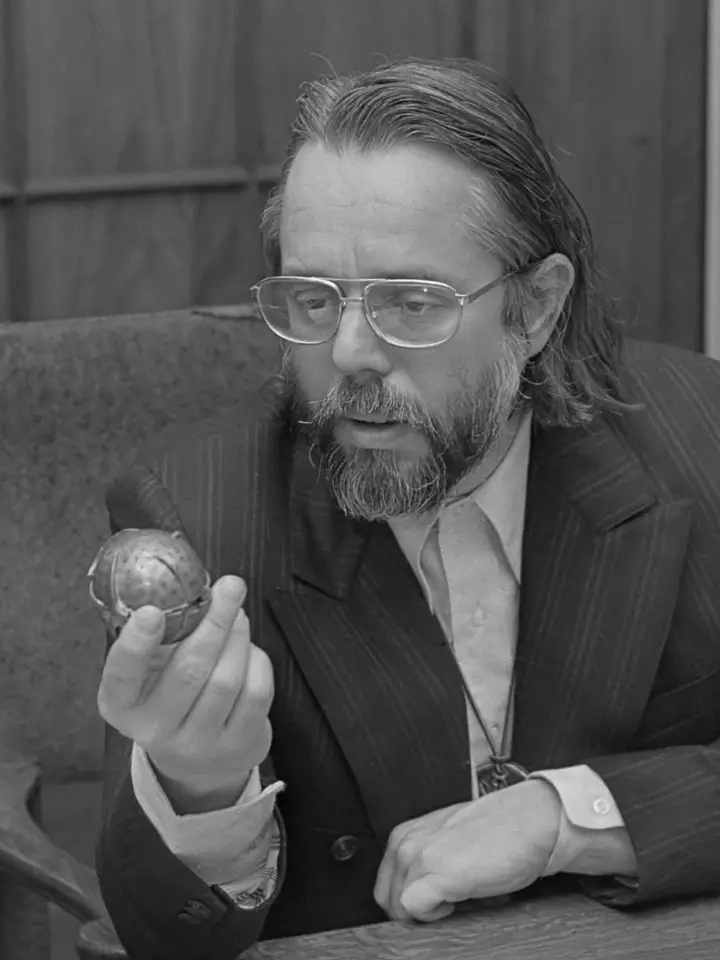
Key points
- William Hamilton, "The New Essence of Christianity" (1961) – the first announcement of the "death of God"
- John Robinson, "Honest to God" (1963) – the decade's most popular theological book
- October 1965 – "Is God Dead?" cover story in Time; Harvey Cox's "The Secular City" (1965)
- Thomas Altizer, "The Gospel of Christian Atheism" (1966)
- Criticism from Berger and Gilkey (1969) – the movement's decline
People
- William Hamilton
- John Robinson
- Thomas Altizer
- Harvey Cox
- Paul van Buren
- Peter Berger
- Langdon Gilkey
Place
USA; England (Woolwich)
Sources
- Stanley Grenz, Roger Olson – 20th-Century Theology: God and the World in a Transitional Age (Russian edition), p. 217–255
- Tony Lane – Christian Thinkers (Russian edition), p. 283
Data compiled: 2026-11-09