c. 220 · 3rd century
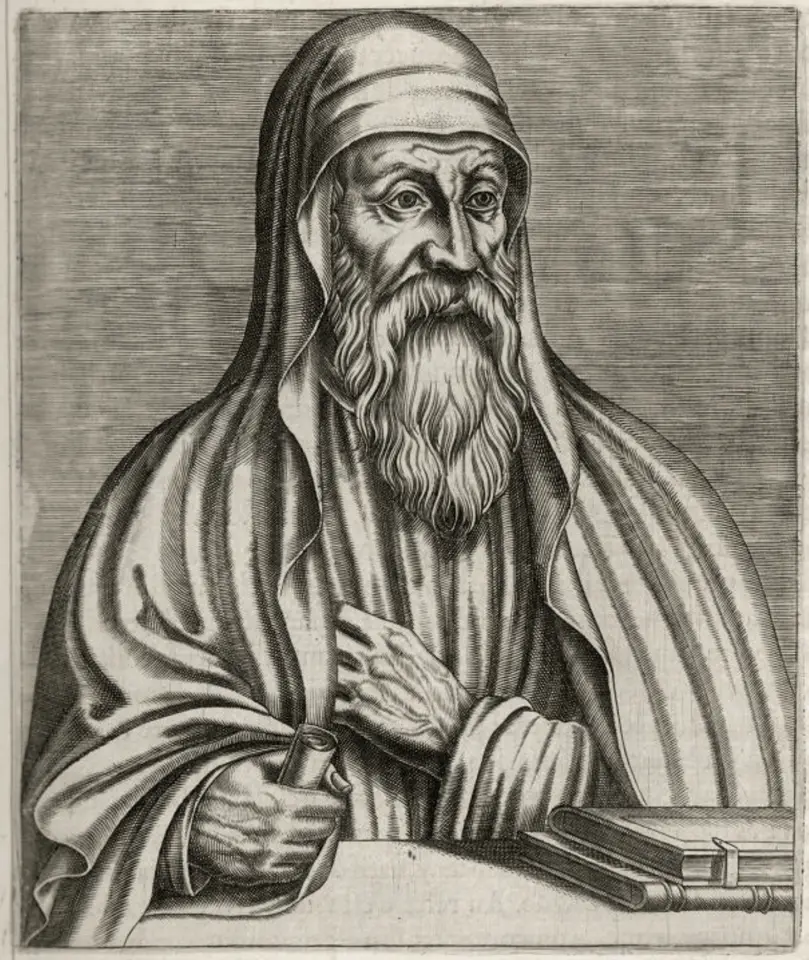
Origen, On First Principles: The First System of Theology
Origen's treatise On First Principles is the first attempt in the early church to systematize theological questions, in four books: on God, on the world, on freedom and on Scripture. Origen (On First Principles, preface 2, 10) held that only that is to be accepted as truth which differs in no respect from ecclesiastical and apostolic tradition, and that doctrine is to be built from arguments found in Scripture or correctly deduced from it, and he held to the Word of God and the Rule of Faith as standards of interpretation; yet, in Berkhof's assessment, his theology bears the stamp of Neoplatonism. Most of the work survives only in the Latin translation of Rufinus, who, by his own account (preface to book 3), did not translate what appeared contrary to Origen's other opinions and "to our own belief". In the apology Against Celsus Origen refuted the pagan philosopher's attacks one by one.
Key points
- The first systematization of theology: God, the world, freedom, Scripture
- González: the interpretation of Scripture remains the central concern even in this work; Origen's stamp was never erased from Eastern theology: the schools of the 3rd century were factions within Origenism
- Rufinus's translation forces the historian to suspect his hand
- Gunton: On First Principles was the first great theological system; Origen posited a two-stage creation: spirits first, then matter as a school for the fallen.
Outcome
Enormous influence on the development of doctrine, although part of the teaching was later declared heretical (Berkhof); Origenism dominated Eastern theology in the 3rd century.
People
- Origen
- Rufinus
- Celsus
Place
Alexandria
Sources disagree
González: an early work, c. 220; Berkhof: 3rd century; Lane does not date the treatise (Origen's activity c. 202 – 250s).
Sources
Primary sources
- Origen – On First Principles (De Principiis), preface; bk. III, preface
Textbooks
- Louis Berkhof – History of Christian Doctrines (Russian edition), p. 46–47
- Justo L. González – A History of Christian Thought in One Volume (Abingdon, 2014), p. 88–89, 107–108, 110
- Tony Lane – Christian Thinkers (Russian edition), p. 27
- The Cambridge Companion to Christian Doctrine, ed. Colin E. Gunton (1997), p. 36
Related entries
- Develops: Clement of Alexandria: Philosophy as a "Covenant with the Greeks," Faith and Knowledge (c. 200–215)
- Rejected in: The Controversies over Origen and His Condemnation (543/553) (543–553)
In church history
Data compiled: 2026-11-17