19th – early 20th century · 18th century
Kenotic theories, Dorner's "gradual Incarnation" and Forsyth
In the 19th century, according to Lane, it was felt that the traditional doctrine of the incarnation did not do enough justice to the human nature of Christ. The kenotic theory relied on Phil 2:7 and 2 Cor 8:9: Christ "emptied himself". According to Thomasius, the Logos temporarily divested himself of the relative attributes (omnipotence, omnipresence, omniscience) while retaining the moral ones; according to Gess, the Logos literally reduced himself to human nature; Ebrard and Martensen spoke of a double life of the Logos. Dorner, a representative of the Mediating school, taught that the Incarnation would have taken place even without sin, and that the Logos united with the humanity gradually, reaching the highest degree not before the Resurrection. Forsyth accepted kenosis but held that the attributes become "latent", followed by plerosis – the gradual moral conquest of the divine attributes in the earthly life.
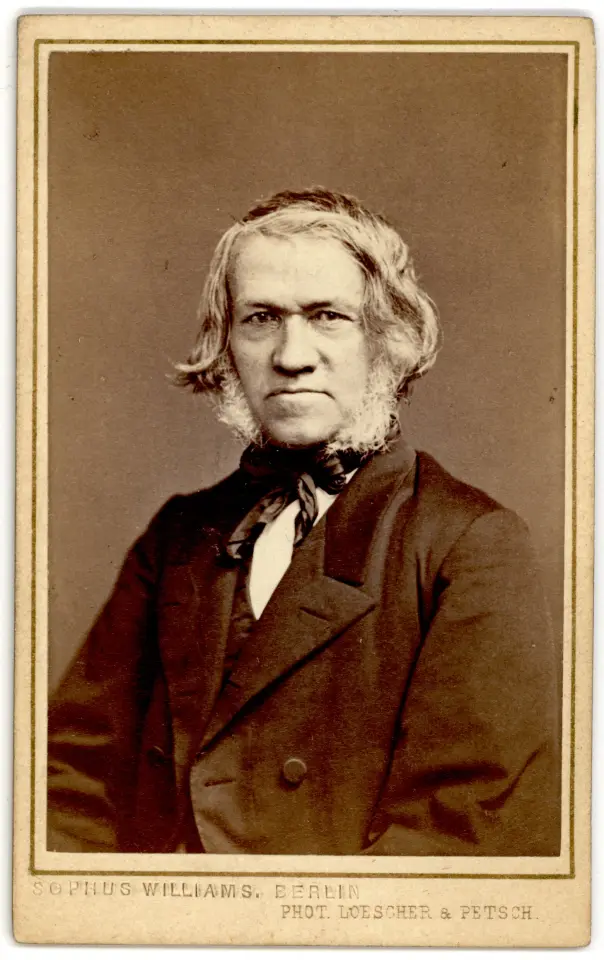
Positions
- Kenoticists (Thomasius, Gess, Ebrard, Martensen)
- The Logos limited or reduced himself to the dimensions of a man
- Dorner
- The Incarnation is necessary independently of sin; a gradual union of the Logos with the humanity
- Forsyth
- Voluntary self-limitation: actual attributes become potential, then plerosis
- Berkhof
- The kenotic theory distorts the doctrine of the Trinity and of God's immutability; Dorner's theory is a subtle form of Nestorianism
- Ressourcement Thomists (according to White)
- Drawing on Maximus, Damascene and Constantinople III, Christ’s human acts express his filial person, but obedience and dereliction cannot be ascribed to the divine nature or the Trinity; the divine and human natures remain distinct; the earthly Jesus had the beatific vision
Key points
- Berkhof: the motives of the kenoticists are the reality of the humanity and the greatness of the humiliation; Gess is close to Apollinaris; the theory has lost its popularity
- Forsyth: self-limitation in the incarnation is the highest exercise of moral freedom, not a limitation of omnipotence
- White: the ‘dereliction theologies’ of Barth and Balthasar centre revelation on the Son’s obedience and suffering; Balthasar: analogia entis Christi. Following Maximus and Damascene, Aquinas accepts Constantinople III: two natural wills and activities; the human nature is the Son’s instrument. Obedience, suffering and dereliction belong to the Son only by his humanity; the Trinity is incapable of eternal obedience (created dependency). Gaine and White himself defend that the earthly Jesus had the beatific vision and knew who he was; on the cross he keeps awareness of union with the Father. For Aquinas the cross is meritorious as a human act of knowledge and love, grounding Christ’s headship in the order of grace (Col. 1:18; Eph. 4:8); the divine nature stays transcendent to Christ’s human nature even in the hypostatic union, and his abasement is the human suffering of God.
Outcome
The kenotic theories are presented as an attempt to respond to criticism and affirm the fullness of Christ's humanity; Berkhof rejects them, Lane gives no final assessment.
People
- Thomasius
- Gess
- Ebrard
- Martensen
- Dorner
- Peter Forsyth
- Benjamin B. Warfield
- Karl Barth
- Hans Urs von Balthasar
- Maximus the Confessor
- John of Damascus
- Simon Gaine
Terms
- kenosis – ekenosen
- "emptied himself" (Phil 2:7); according to Berkhof (following Warfield) – "made himself of no reputation", the object being not the divinity but equality with God.
- plerosis
- In Forsyth – the reverse process of the gradual moral recovery of the divine attributes.
Sources disagree
Berkhof places the kenotic theories and Dorner in the 19th century without exact dates; Forsyth – years of ministry 1901–1921 (Lane).
Sources
- Louis Berkhof – History of Christian Doctrines (Russian edition), p. 83–85
- Tony Lane – Christian Thinkers (Russian edition), p. 242–243
- The New Cambridge Companion to Christian Doctrine, ed. Michael Allen (2023), p. 379, 380, 381, 382, 380–382
Data compiled: 2026-11-17