1913–1944 · 20th century
The Niebuhr brothers and American Christian realism
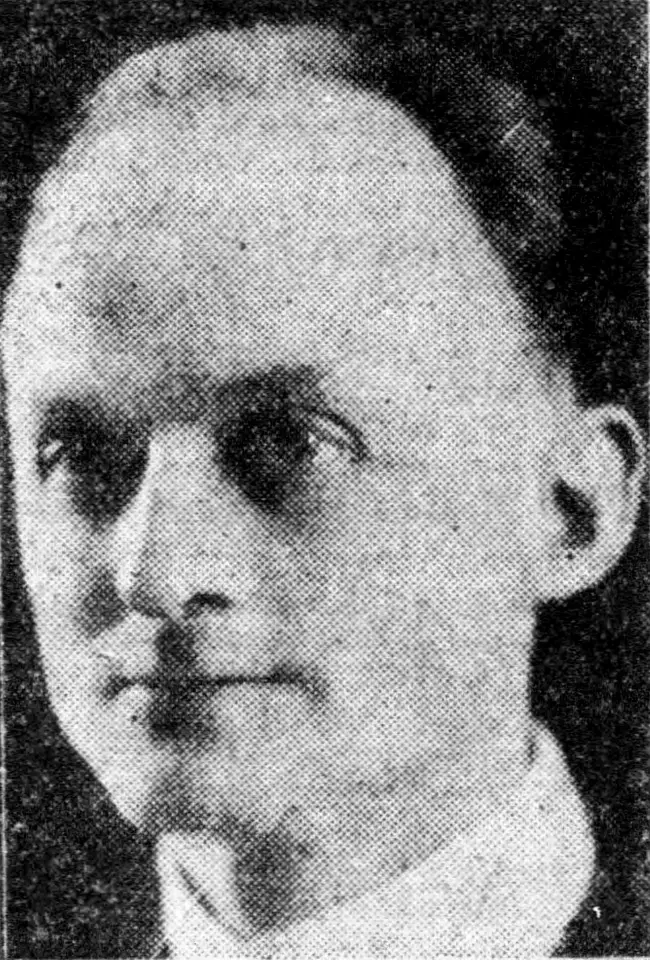
From 1915 Reinhold Niebuhr was a pastor among Ford factory workers in Detroit, where he became convinced that liberal idealism was bankrupt. From 1928 he taught ethics at Union Theological Seminary in New York. His chief works were Moral Man and Immoral Society (1932) and the 1939 Gifford Lectures (The Nature and Destiny of Man).
His brother H. Richard Niebuhr, in The Meaning of Revelation (1941), was among the first to stress the narrative form of biblical faith. The Depression and the collapse of liberal optimism opened America to neo-orthodoxy. Its carriers in the United States are considered to be the Niebuhr brothers and Paul Tillich, who was invited to Union thanks to them.
Key points
- Pastor in Detroit from 1915; taught at Union Seminary from 1928
- Moral Man and Immoral Society (1932); Gifford Lectures of 1939
- H. Richard Niebuhr, The Meaning of Revelation (1941)
- The Depression opened America to neo-orthodoxy; Tillich invited to Union
People
- Reinhold Niebuhr
- H. Richard Niebuhr
- Paul Tillich
- Karl Barth
Place
USA (Detroit; New York); Edinburgh
Sources
- Stanley Grenz, Roger Olson – 20th-Century Theology: God and the World in a Transitional Age (Russian edition), p. 140–162
- Justo L. González – A History of Christian Thought, vol. III: From the Protestant Reformation to the Twentieth Century (Abingdon, rev. ed. 1987), p. 414–416, 465–467
- Justo L. González – A History of Christian Thought in One Volume (Abingdon, 2014), p. 420–422
- Justo L. González – The Story of Christianity, vol. II (Russian edition), Part 4, ch. 35, section «Протестантизм в Соединённых Штатах»
More on the doctrine
Data compiled: 2026-11-09