1930s–1962 · 20th century
Barth: Election in Jesus Christ – and Brunner's Response
Karl Barth's doctrine of election (Church Dogmatics II/2) is centered on Christ: He is the sole object of election and reprobation, at once the electing God and the elected human being. Barth rejected the double predestination that divides people into the saved and the damned: on the cross the Son went into the "far country", taking on the wrath and alienation deserved by humanity, and therefore election extends to all. Asked about apokatastasis, Barth replied: "I do not promote this teaching, but neither do I speak against it." Emil Brunner worked out his own doctrine of election in opposition both to Barth and to classical Calvinist double predestination, rejecting a "logical theory" of election in favor of a dialectical, biblical view.
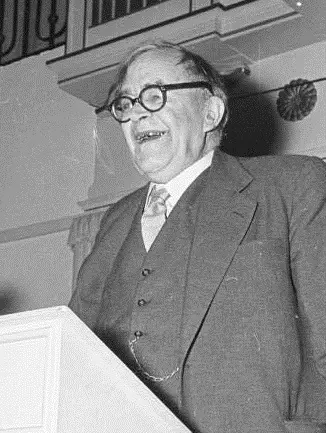
Positions
- Barth
- Christ is the only rejected one; life in communion with God is destined for all people; "God has given to man election, salvation and life, and taken upon Himself reprobation, suffering and death"
- Hans Urs von Balthasar
- From Barth's doctrine of election it follows that universal salvation is not only possible but inevitable; grace is the decisive factor, reprobation is only conditional
- Brunner
- "Faith in Jesus Christ is the pledge of election... There is no other election, and no other elect, than believers"; Barth's doctrine contradicts church tradition and the clear teaching of the New Testament, leads to universalism and removes the need for personal decision
Key points
- For Barth, predestination is God's decision to justify humanity at the cost of His own blood
- A revision of the Reformed doctrine of predestination in a Christocentric key
- Brunner: the flaw of both Barth and Calvinism is that they go beyond what is said and implied in revelation
- Brunner insisted that each person must accept or reject Christ
Outcome
Barth's Christocentric revision of predestination provoked a debate over whether it leads to universal salvation; Brunner worked out his own dialectical position, distinct both from Barth and from Calvinism.
People
- Karl Barth
- Hans Urs von Balthasar
- Emil Brunner
Terms
- apokatastasis
- Universal restoration ("the times of the restoration of all things", Acts 3:21): the return of the end to the beginning and of all spirits to their former purity, the salvation of all creation (universalism).
Sources disagree
Grenz and Olson do not date Barth's doctrine of election (Church Dogmatics II/2; work on the Dogmatics – the 1930s to 1968) and cite the volumes of Brunner's Dogmatics of 1949, 1952 and 1962; the main date is approximate.
Sources
- Stanley Grenz, Roger Olson – 20th-Century Theology: God and the World in a Transitional Age (Russian edition), p. 101–102, 118–119
Related entries
- Rejects: Predestination among the Reformers: Zwingli and Calvin (1523–1559)
- Develops: Barth and Bonhoeffer: christological concentration and the break with liberalism (1927–1956)
Data compiled: 2026-11-17