c. 1170–1215 · 12th century
The Waldensians: Peter Waldo's Movement and Its Condemnation
The Lyon merchant Peter Waldo heard of a monk living in extreme poverty. He then dedicated himself to voluntary poverty and preaching the Gospel. The archbishop banned his followers' activity, and theologians in Rome mocked their ignorance. But the Waldensians kept preaching despite the ban.
They were condemned by the Council of Verona in 1184 and later by the Fourth Lateran Council (1215). They took refuge in Alpine valleys and survived persecution until the Reformation. In the 16th century they adopted Protestant (Calvinist) doctrine. They are the only movement of their era to survive to the present day.
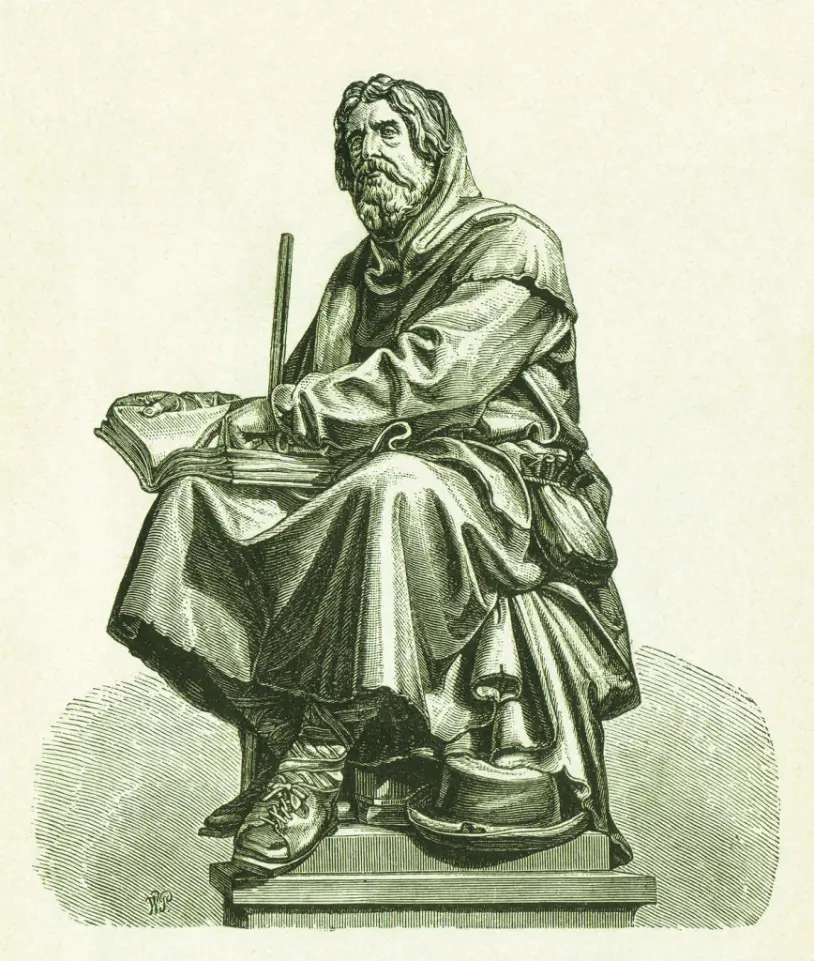
Key points
- Peter Waldo's vow of voluntary poverty
- Condemnation at the Council of Verona (1184)
- Refuge in Alpine valleys
- Joining Calvinism in the 16th century – the oldest Protestant church
- Shelley: Lyons merchant Peter Waldo (1140–1218) heard a troubadour’s ballad about Alexis, who gave up everything for self-denial; a priest pointed him to Christ’s words to the rich young man (Matt 19:21), which nine centuries earlier began Antony’s monasticism. Waldo provided for his wife, put his daughters in a convent, gave the rest to the poor and enlisted priests to translate part of the Bible into French. Waldo’s novelty was that poverty, apostleship and preaching are required of all true Christians, not only monks. His followers, calling themselves “the poor in spirit”, went two by two to villages and markets. The archbishop of Lyons forbade preaching, but Waldo, citing Acts 5:29, refused and was excommunicated. At the Third Lateran Council (1179) Alexander III found no heresy and, impressed by their poverty, allowed preaching only at bishops’ invitation. The movement reached southern France and Italy, and in 1184 Lucius III excommunicated the Waldensians. They adopted two levels of commitment: the “poor in spirit” under vows and “friends” who stayed in the Catholic Church. Evangelicals call them “reformers before the Reformation”, but they lack a clear doctrine of grace; they survived in the mountains of Italy and welcomed the Reformation. The gospel of voluntary poverty drew strength from contempt for a venal, negligent priesthood; at its core was a spiritual thirst. Grosseteste, bishop of Lincoln, condemned clerical greed – “pastors’ lives are a book from which the laity learn” – and saw the root in the papal curia. In the 12th–13th centuries calls for sacrifice could not go into another monastic reform; preachers of poverty who opposed the Church became heretics
People
- Peter Waldo
Place
Lyon; Verona; the Alps
Sources
- Tony Lane – Christian Thinkers (Russian edition), p. 120, 122
- Justo L. González – The Story of Christianity, vol. I (Russian edition), Ch. 25, sec. 25.1
- Justo L. González – A History of Christian Thought in One Volume (Abingdon, 2014), p. 227–228
- Bruce L. Shelley – Church History in Plain Language (Russian edition), Ch. 21, sec. «Нищие в Царствии»; Ch. 21, sec. «Бедность, ересь, насилие»
Data compiled: 2026-11-09